
How To Makeover Your Bedroom For Sleep Hygiene & Better Sleep
/
Let’s talk about SLEEP! Did you know that 70 percent of adults in the U.S. aren’t getting enough sleep? That’s 50 to 70 million people… and maybe you’re one of them. If you’re tired of being tired, and are looking for ways to improve your sleep quality, this blog post is for you!
There are many factors that can contribute to sleep issues. But no matter the diagnosis, our bedrooms can be part of the problem and re-evaluating our sleeping spaces can be a drug-free way to treat insomnia!
This week, I decided to ask Terry Cralle, RN, a Clinical Sleep Educator who is certified in Clinical Sleep Health, to give us her best advice on sleep hygiene, how to make over your bedroom for sleep, and how to get better sleep every night!

Here’s what she said…
What does it mean to have good sleep hygiene?
Quite simply, sleep hygiene means healthy sleep habits—a variety of necessary practices to achieve consistent quality sleep and the resulting daytime alertness, good health, general well-being, and optimal functioning. Although hygiene is synonymous with cleanliness, in the context of sleep, it has more to do with practices, habits, and environmental influences.
*For adults 64 and under, the recommended amount of sleep is 7 to 9 hours each night. For adults 65 and up, that amount is 7 to 8 hours per night.*
How does someone know if they need a bedroom makeover?
Everyone can benefit from a bedroom makeover—because sufficient sleep is important for everyone! Something I often tell my patients is: the primary function of the bedroom is “a place to sleep”—not an office, not a home gym, not a place to store unfolded laundry, unread magazines, and unopened mail. Associate your bedroom with sleep and romance only. Avoid watching TV, eating, working, or arguing in the bedroom, and keep out all electronics if possible.
When you’re making over your bedroom, you’re trying to create a sleep-friendly zone that is tranquil, clean, uncluttered, cool, dark, and quiet. Our sleep quality impacts our “wake quality,” so it’s critically important that the bedroom environment is conducive to sleep – and optimized accordingly.
If I want to makeover my bedroom for better sleep, where should I start?
In addition to having a comfortable mattress, pillows, and bedding, I would start with the following elements of your bedroom:
1. Sound/Noise
Noise can make it difficult to fall asleep and stay asleep. Even when you are sleeping, your auditory system remains awake, and even if you don't remember it in the morning, noise is quite capable of disturbing and fragmenting your sleep.
Dark and quiet is the goal – but the quiet hum of a noise machine or fan is a great way to drown out the kind of noise that disrupts sleep. It may seem counterintuitive to add ambient noise to your environment to help you gain a little shut-eye. However, these devices work by “masking” annoying sounds – like your partner snoring — or sudden noises, which disturb sleep.
Consider using earplugs to block out sound, or try white noise, fans, and sound machines that make continuous rhythmic sounds, which can be both relaxing and aid in drowning out distracting or sudden noises.
2. Color
People don’t usually think of this, but colors can have different effects on our brains, and even make it difficult to sleep. So if you’re doing a bedroom makeover, consider the color of your bedroom walls. Some sleep-friendly colors include blues, greens, pale yellows and silvers.
3. Light
Bright lights in the evening and at night cause the brain to suppress melatonin production and make falling asleep difficult. Avoid bright bathroom overhead lights on the way to the bathroom and in the bathroom at nighttime. Use a nightlight or low light source wherever possible.
4. Clutter
Eliminate clutter from the bedroom. It creates visual chaos, which is stressful and negatively impacts sleep. It also collects dust, which also negatively impacts sleep. Have a clutter-free bedroom; no work, no bills, no laundry, no storage, no stacks of unread magazines, etc. Clutter creates visual chaos, and it is distracting—not conducive to sleep.
5. Smells
Soothing smells, like lavender, can help put you in a relaxed state of mind and help you ease into deep sleep. So try aromatherapy by diffusing like lavender, chamomile, bergamot, jasmine, or rose essential oil in your bedroom prior to sleep.
What advice would you give to anyone who is struggling with sleep?
Because sleep is so crucial to our health, well-being, and quality of life, consider sleep a "vital sign." Sleep should be addressed at every healthcare provider encounter.
I have a lot of advice on sleep, so below is a list of my top tips. This advice will help you makeover your bedroom and get on a consistent sleep schedule—both of which will improve your sleep, and by proxy, your health!
1. Prioritize & Schedule Adequate Sleep
You must make time in your schedule for sufficient sleep. I can't tell you how often people have told me they "don't have time” for sufficient sleep. So look at it this way—isn't it about the quality of your waking hours, and not the quantity? If you skimp on sleep to get more done—it will backfire. Sleep-deprived people make more errors and are less able to focus. You really get more done and do it better if you are well-rested. Your sleep schedule should be managed as thoughtfully and deliberately as your daytime schedule.
2. Get Up & Get Moving
Regular exercise improves sleep quality, so I recommend getting exercise daily. Exercise helps you sleep, while sufficient sleep makes you more likely to exercise. Even a 10-minute walk helps. Exercise helps promote quality sleep while helping to reduce stress, anxiety, and depression. A 2013 National Sleep Foundation poll found that people who got regular exercise were more likely to report sleeping well than those who did not.
3. Upgrade Your Mattress & Get A Bigger Bed
How old is your mattress? Your pillows? Invest in your rest (sufficient sleep is priceless) and get the most comfortable bedding possible. You will spend one-third of your life on a mattress, so make it count. Your mattress is easily the most important health product in your home.
Also, you could consider getting a bigger bed if you share yours with someone else. Sometimes, all bed-partners need is a bit of extra room. When it comes to the sleep surface, you may want to see for yourself if bigger is better.
4. Keep Your Room Dark
Your circadian rhythm, the internal clock that regulates periods of sleep and wakefulness, is triggered by light and darkness. Daytime sunlight as well as nighttime darkness help to maintain a healthy sleep-wake cycle. Get ample amounts of natural light during the day and limit exposure to bright light in the evenings. Keep your bedroom dark at night. Consider using eyeshades, removing glowing electronic devices from the bedroom, and installing blackout curtains for more restful sleep. Don’t turn on bright lights to use the restroom during the night—use the dimmest light that will get you there and back safely.
5. Set A Curfew For Your Phone, TV, Etc.
Don’t let blue light come between you and a good night's sleep! The blue light that is emitted from laptops, computers, TVs, and smartphones prevents our brain from producing melatonin, the hormone that makes us sleepy. Commit to signing off from all screens at least one (for adults) to two (for children) hours before bedtime. Install "blue light filters" on your electronic devices or use blue light blocking glasses.
6. Eat A Healthy Diet
Eating a balanced, healthy diet is crucial for getting good quality sleep. Avoid large meals, heavy or rich foods, anything fried, carbonated drinks, spicy dishes, and citrus fruits close to bedtime. These can trigger indigestion for some people, and that will keep you awake. Also, avoid a nightcap close to bedtime. Alcohol can initially make us feel like drifting off to sleep, but the quality of the sleep will be light and poor, which often leads to multiple awakenings and unrefreshing sleep.
7. Get Everything Out Of Your Head & Onto Paper
A lot of people get anxious before bed just thinking about everything they have to do the following day. The solution? Make a to-do list! Make a to-do list at the end of the workday (ideally not right before bed). Putting things down on paper can make things seem more manageable and may just keep your mind from racing when your head hits the pillow at night.
Alternatively, you could try writing a "what I'm grateful for" list before bedtime. This will put you in a good "mindset" to help you relax and fall asleep.
8. Have A Wind Down Routine
Winding down is a critical part of preparing for sleep, because it helps the mind and body recognize that it is bedtime. Begin by winding down and relaxing prior to bedtime—45 minutes to an hour is optimal, but at least for thirty minutes. Some relaxation strategies include taking a warm bath, doing light yoga stretches, listening to relaxation CDs, meditating, reading a book or listening to music, and writing in a gratitude journal. Be sure to put aside any work, arguments, or complicated decisions as bedtime approaches.
This is much different from reading emails and watching Netflix until you pass out. It is important that you carry out your bedtime routine in the same steps and in the same way each night (as much as possible). Once it becomes second nature, your pre-sleep ritual will be reproducible when you’re traveling or sleeping in unfamiliar surroundings, enabling you to fall asleep more easily.
9. Quit “Trying” To Sleep!
“Try” is an arousing word. Sleep needs to be allowed—it cannot be forced. You have to let sleep overtake you. You have to give in to it, which is very difficult for many individuals. Letting go is particularly difficult for people who like a great deal of control in their lives. Instead, make your intent relaxation—knowing that sleep will follow.
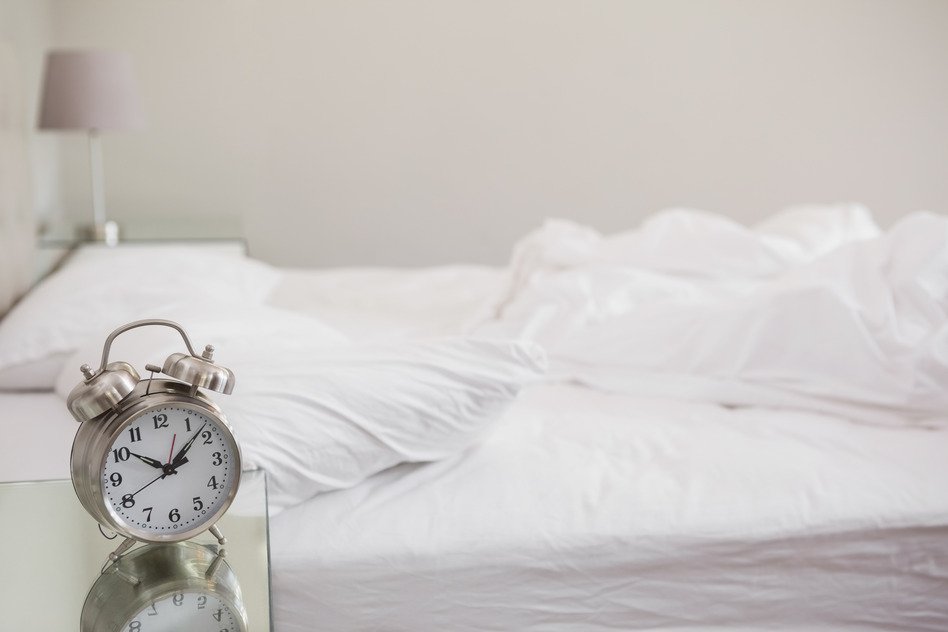
If you can't sleep, simply get out of bed and do something quiet and relaxing in low lighting (knit, jigsaw puzzle) until the urge to sleep returns. Then go back to bed. Whatever you do, don’t be a clock watcher! Watching the clock can continually remind you that you are not sleeping, leading to frustration and anger, etc... Turn any clock faces away from sight while sleeping and don’t check the time if you wake up in the middle of the night for whatever reason.
10. See An Expert
Struggling with sleep is frustrating, and it doesn’t have to be something you go through alone or struggle with forever. Instead, consult a sleep specialist for persistent sleep problems or for any signs or symptoms of a sleep disorder. Be proactive—sleep is a vital sign. Seek help for sleep problems, don’t ignore them.
Renata’s Product Recs
Based on Terry’s advice, I’ve pulled together some of my favorite sleep and bedroom products that have revolutionized my sleep habits!
Mattresses
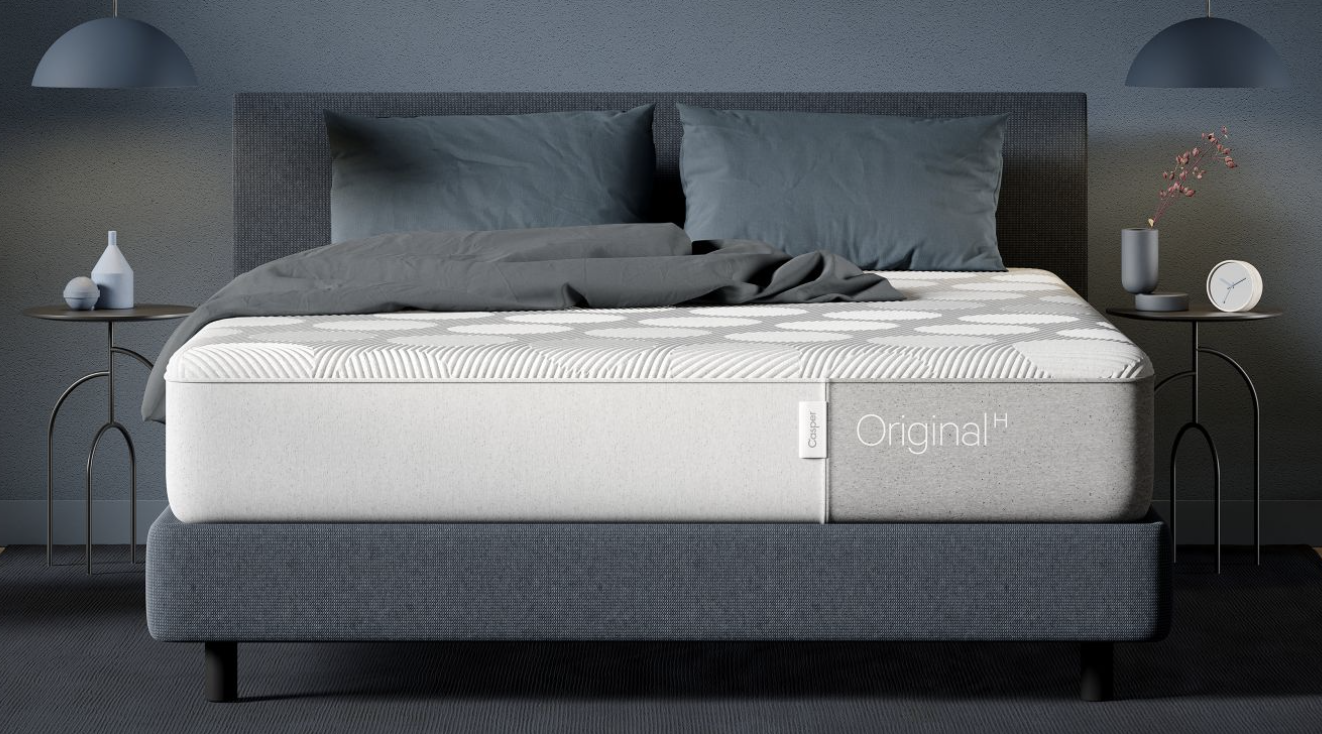
My top pick: Casper Sleep Original Hybrid Mattress, Queen, $1166

Best on a budget: Nectar Queen Mattress (comes with two pillows!), $702
Sheets
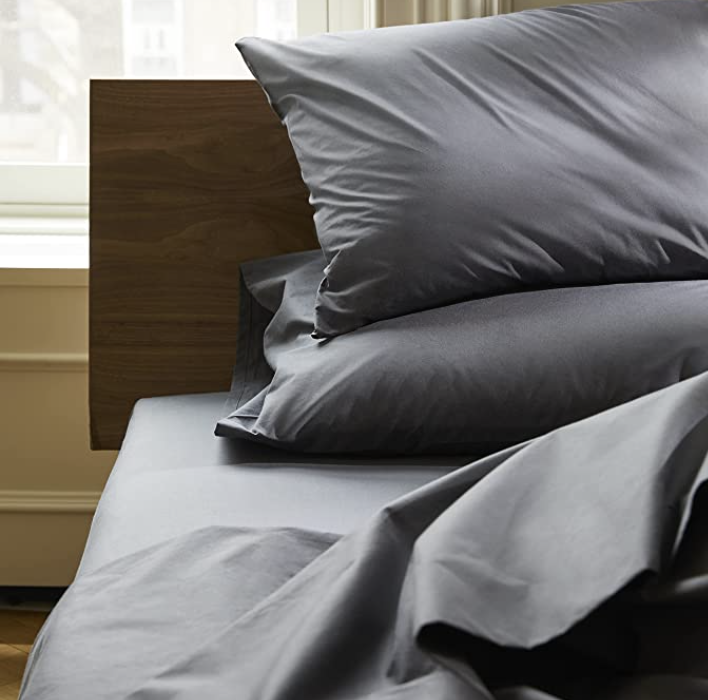
My top pick: Brooklinen Luxe Core Sheet Set for Queen Size Bed, 4 Piece Set, $175

Best on a budget: Mellanni Bed Sheet Set, Brushed Microfiber 1800 Bedding, $36
Comforters

My top pick: Buffy Cloud Eucalyptus, Down-Alternative Comforter, $159
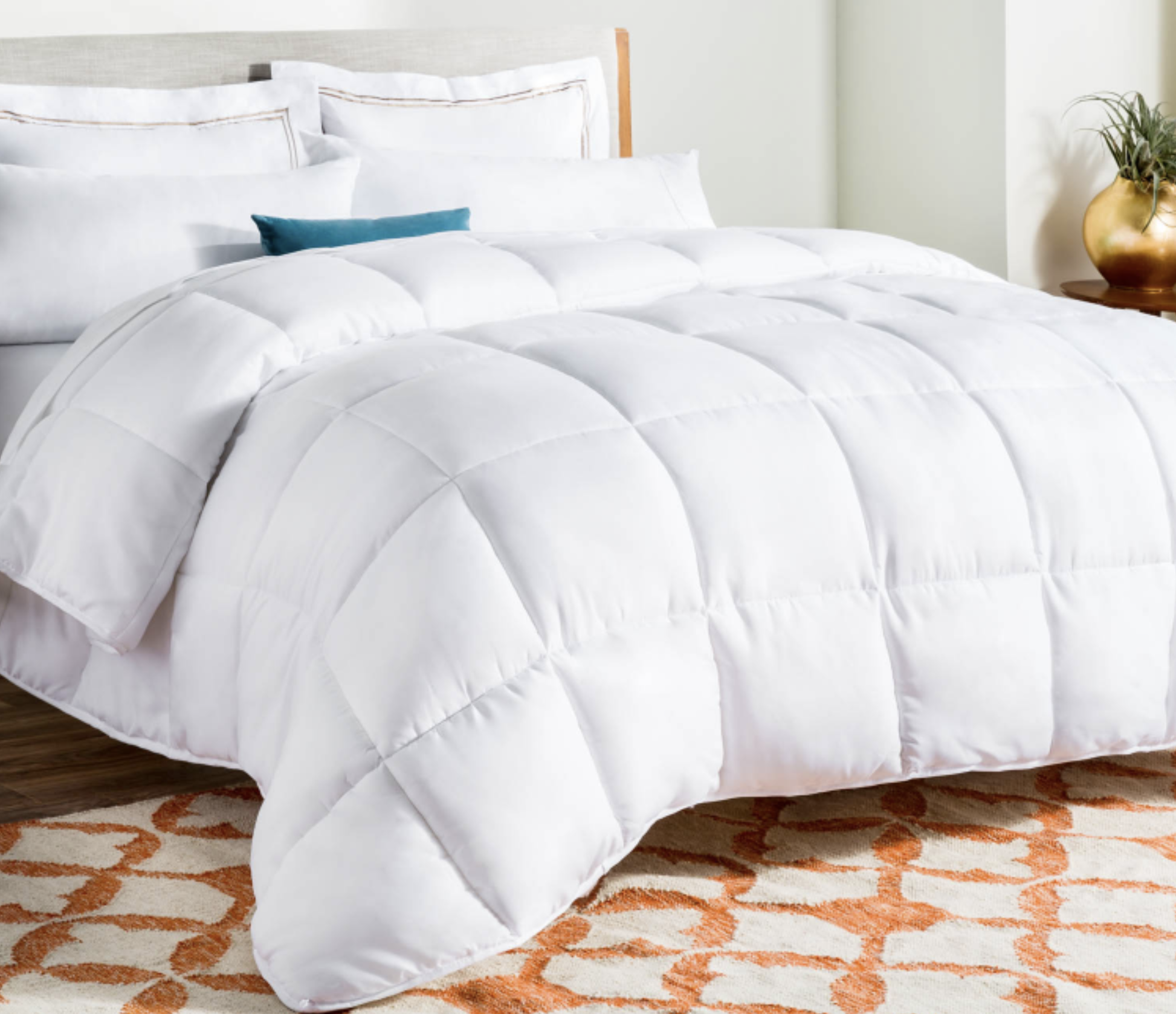
Best on a budget: LINENSPA All-Season White Down Alternative Quilted Comforter, $30
Pillows

My top pick: Casper Sleep Pillow for Sleeping, $58.50
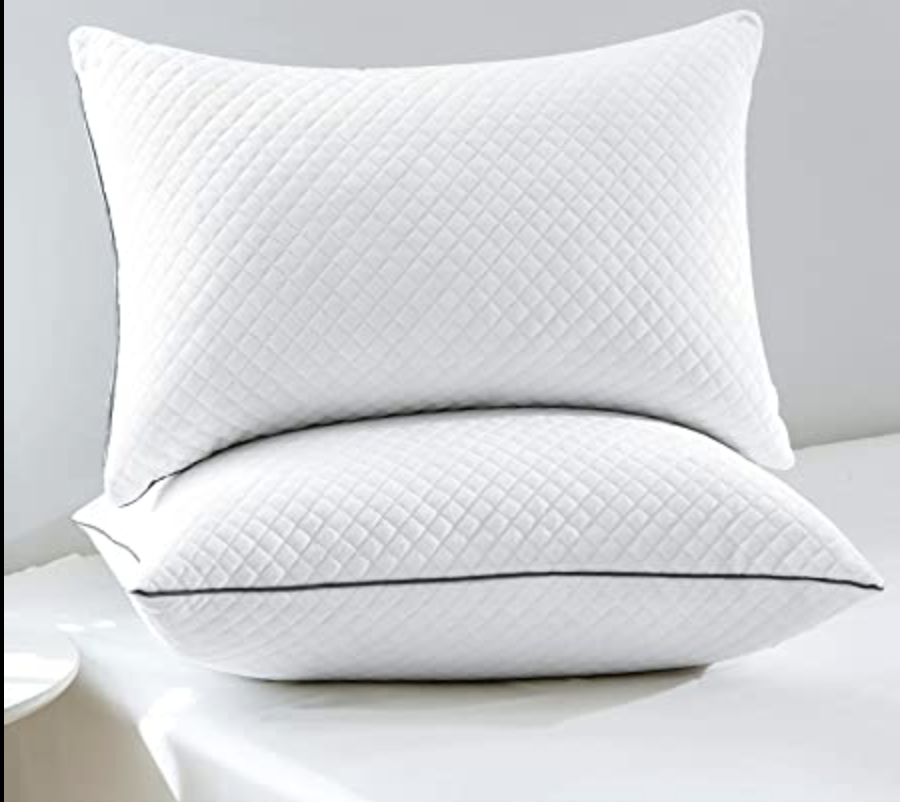
Best on a budget: Beckham Hotel Collection Bed Pillows for Sleeping, Set of 2, $39.99
Pajama sets

My top pick: Lunya Washable Silk Pajama Set, $178

Best on a budget: Ekouaer Sleepwear Womens Satin Pajamas, $25
Sleep mask

My top pick: Slip Silk Sleep Mask, $50
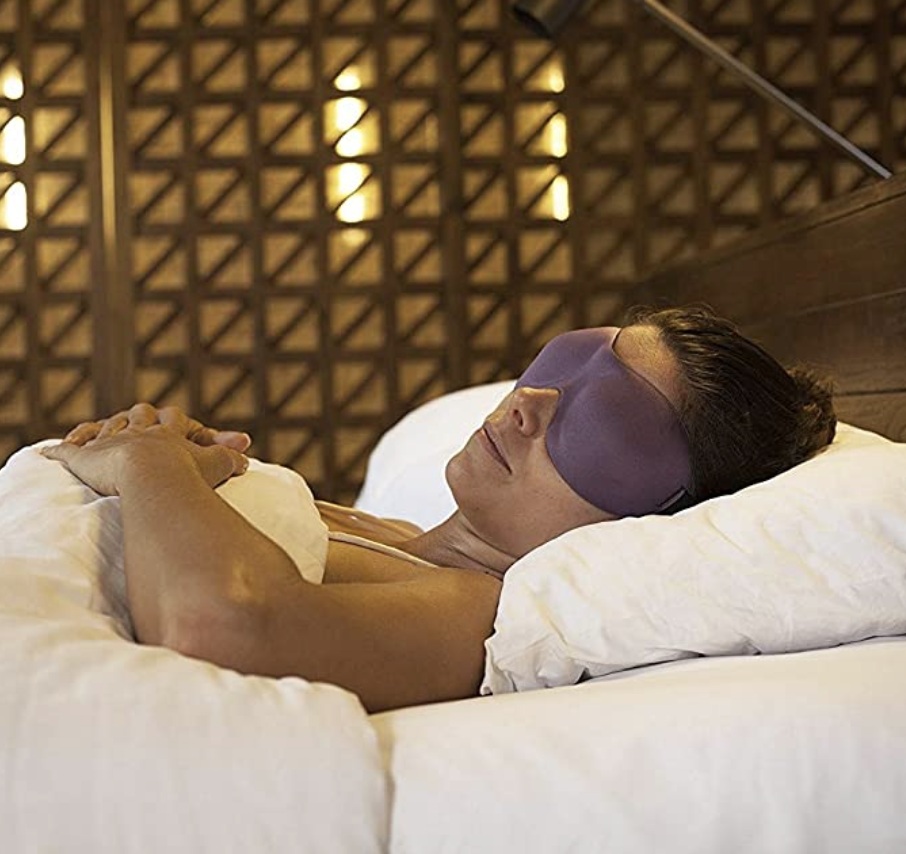
Best on a budget: Nidra Deep Rest Eye Mask, $13.95
Essential oil diffuser

My top pick: Vitruvi Stone/Ceramic Ultrasonic Essential Oil Diffuser, $119

Best on a budget: Breathe Essential Oil Diffuser, $29.99
White noise machine

My top pick: Yogasleep Dohm Classic The Original White Noise Machine, $44.95
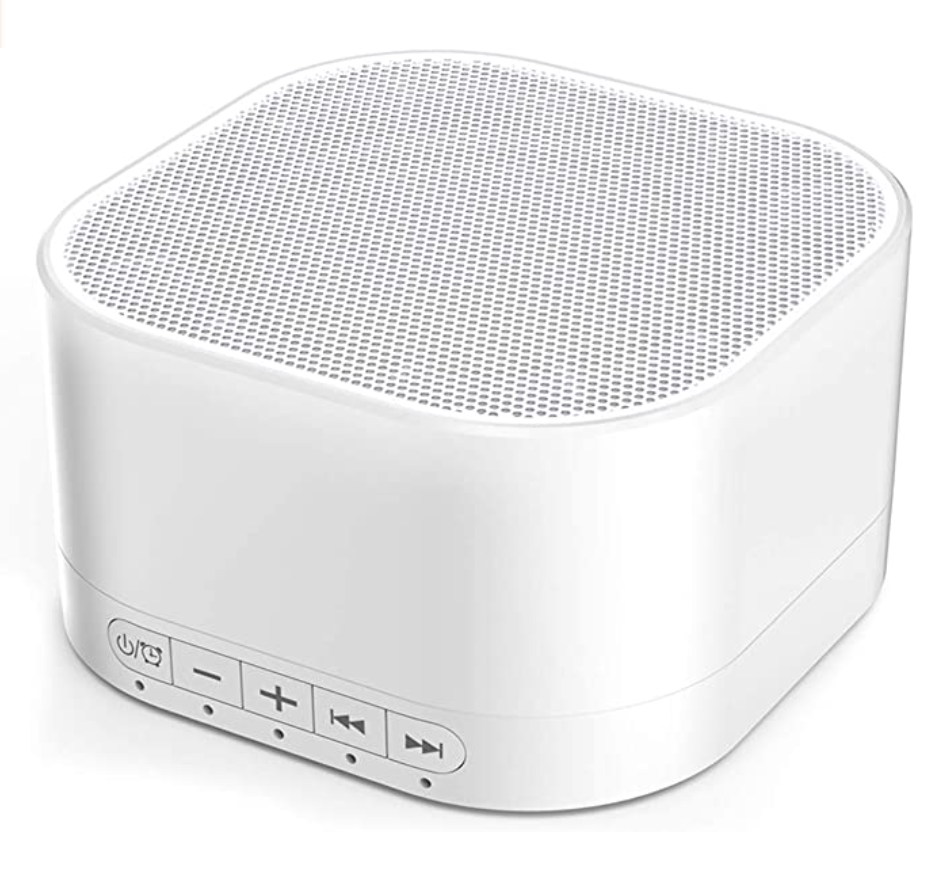
Best on a budget: Magicteam Sound Machines White Noise Machine, $16.99
Did this article help you? What tip did you find the most helpful? Come tell me on the Pure Joy Wellness Private Facebook Group, or on the @purejoywellness Instagram! And make sure to follow Terry on Instagram here!
Wishing you a restful, sleep-filled week,
Renata